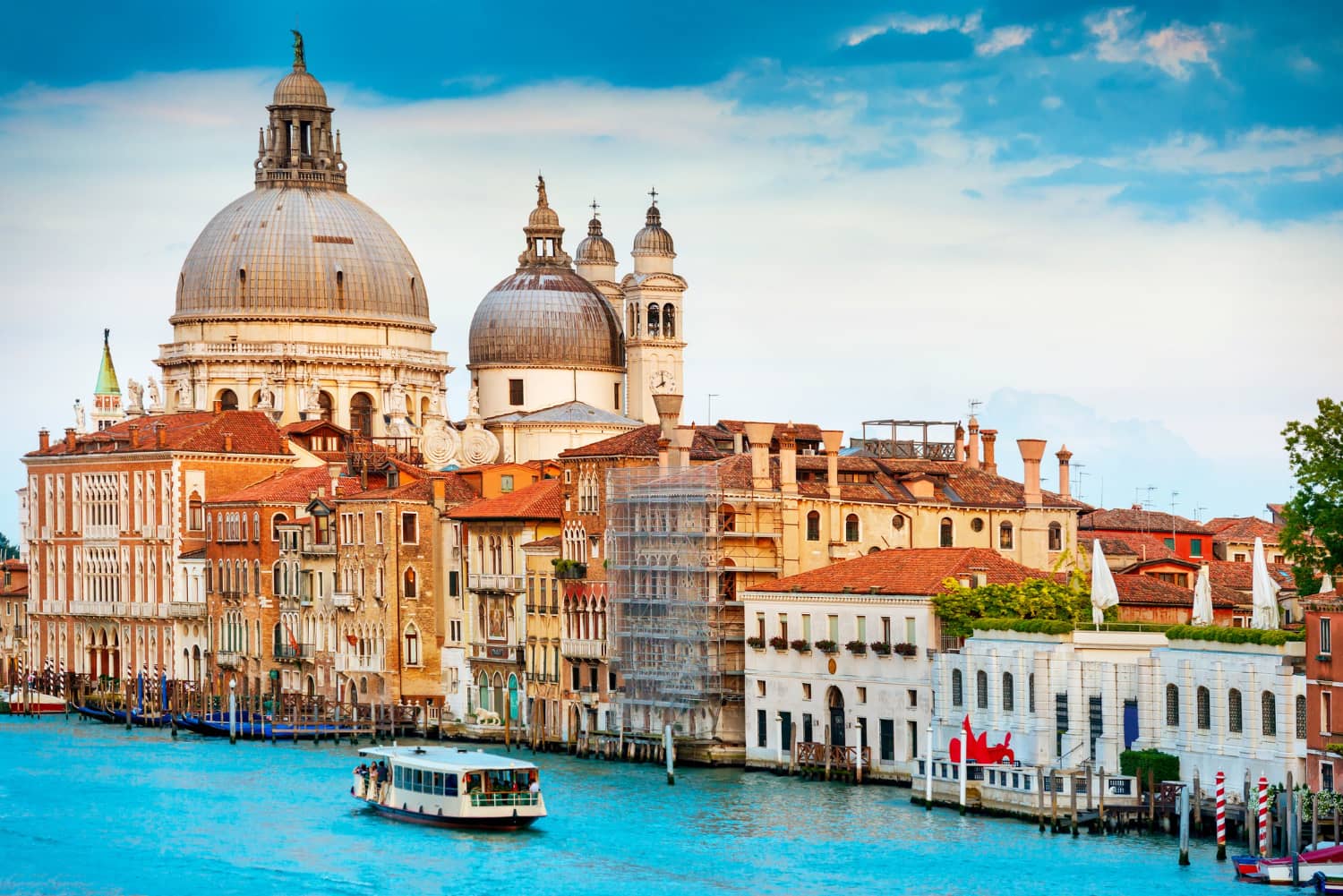
Italy may be known for its iconic cities like Rome, Venice, and Florence, but some of the country’s most unforgettable experiences lie far from the crowds. For travelers who want to discover authentic culture, breathtaking landscapes, and quiet charm, these 10 hidden gems in Italy deserve a spot on your bucket list.
1. Matera – Ancient Cave Dwellings of Timeless Beauty
Matera, in the Basilicata region, is famous for its “Sassi,” cave dwellings carved directly into limestone cliffs. Walking through its narrow alleys feels like stepping into another era.
By night, the city glows under golden lights, creating a magical atmosphere. Visitors can stay in restored cave hotels, explore rock-hewn churches, and enjoy authentic southern Italian cuisine.


2. Procida – Colorful Island Paradise in Bay of Naples
Procida, often overshadowed by Capri, is a small island bursting with colorful houses, fishing harbors, and authentic Italian charm. Unlike more crowded destinations, it retains its peaceful character.
Travelers can climb Terra Murata for panoramic views, sample fresh seafood, and stroll along quiet coastal streets. Procida is the perfect escape for those seeking relaxation and authentic southern culture.
3. Alberobello – Fairytale Village of White Trulli Houses
Alberobello in Puglia is world-renowned for its “trulli,” cone-shaped stone houses that look straight out of a storybook. The clustered rooftops and cobbled streets create a whimsical atmosphere.
Exploring Alberobello offers more than just scenery. Visitors can shop for handmade crafts, taste local olive oil, and soak in the charming southern Italian lifestyle. It’s like stepping into a fairytale.


4. Civita di Bagnoregio – The Enchanting “Dying City” on Cliffs
Civita di Bagnoregio is a medieval village perched atop a crumbling cliff in Lazio. Accessible only by footbridge, it offers dramatic views of the surrounding valleys.
Known as the “Dying City,” Civita feels timeless, with stone houses, narrow streets, and peaceful piazzas. Visiting this enchanting village is like traveling back in history.
5. Castelluccio – Blooming Fields of Colorful Wildflowers
High in the Apennine Mountains, Castelluccio is a tiny village overlooking expansive plains. Each spring, these fields explode into vibrant wildflowers, creating one of Italy’s most spectacular sights.
This natural event, known as “La Fiorita,” paints the landscape in colors of red, yellow, and purple. For hikers, photographers, and nature lovers, Castelluccio is pure magic.


6. Trieste – A Unique Crossroads of Cultures and History
Trieste sits on Italy’s northeastern border, blending Italian, Austrian, and Slovenian influences. Its historic cafés, neoclassical squares, and Adriatic harbor reflect its rich cultural mix.
Visitors can enjoy coffee at Caffè San Marco, explore elegant piazzas, and stroll along the seafront. Trieste feels distinctly different from other Italian cities, offering history with a cosmopolitan edge.
7. Orvieto – Hilltop Town with Gothic Cathedral Grandeur
Perched high on volcanic cliffs, Orvieto offers stunning views and rich history. Its magnificent Gothic cathedral is one of the most impressive in Italy.
Beneath the city lies a fascinating network of caves, revealing centuries of stories. Orvieto combines culture, architecture, and natural beauty, making it a memorable destination in Umbria.


8. Tropea – Calabria’s Seaside Jewel with Cliffside Charm
Tropea, known as Calabria’s “Jewel of the South,” boasts turquoise waters, sandy beaches, and dramatic cliffs. Its old town is full of charm and character.
The Sanctuary of Santa Maria dell’Isola sits proudly above the sea, creating postcard-perfect views. Tropea also delights food lovers with its sweet red onions and local cuisine.
9. Aosta – Alpine Town Rich in Roman Heritage
Aosta, nestled in the Italian Alps, combines natural beauty with historical treasures. Roman ruins and medieval castles give the town a unique character.
Surrounded by majestic mountains, it’s ideal for hiking in summer and skiing in winter. Aosta offers an alpine escape with a touch of history and culture.


10. Lecce – The Baroque “Florence of the South”
Lecce dazzles with its golden Baroque architecture, from ornate churches to grand palaces. The city glows beautifully at sunset, creating an unforgettable atmosphere.
Famous for papier-mâché crafts and southern hospitality, Lecce is full of culture and charm. Its lively piazzas and traditional cuisine make it a must-visit in Puglia.
Leave a Reply