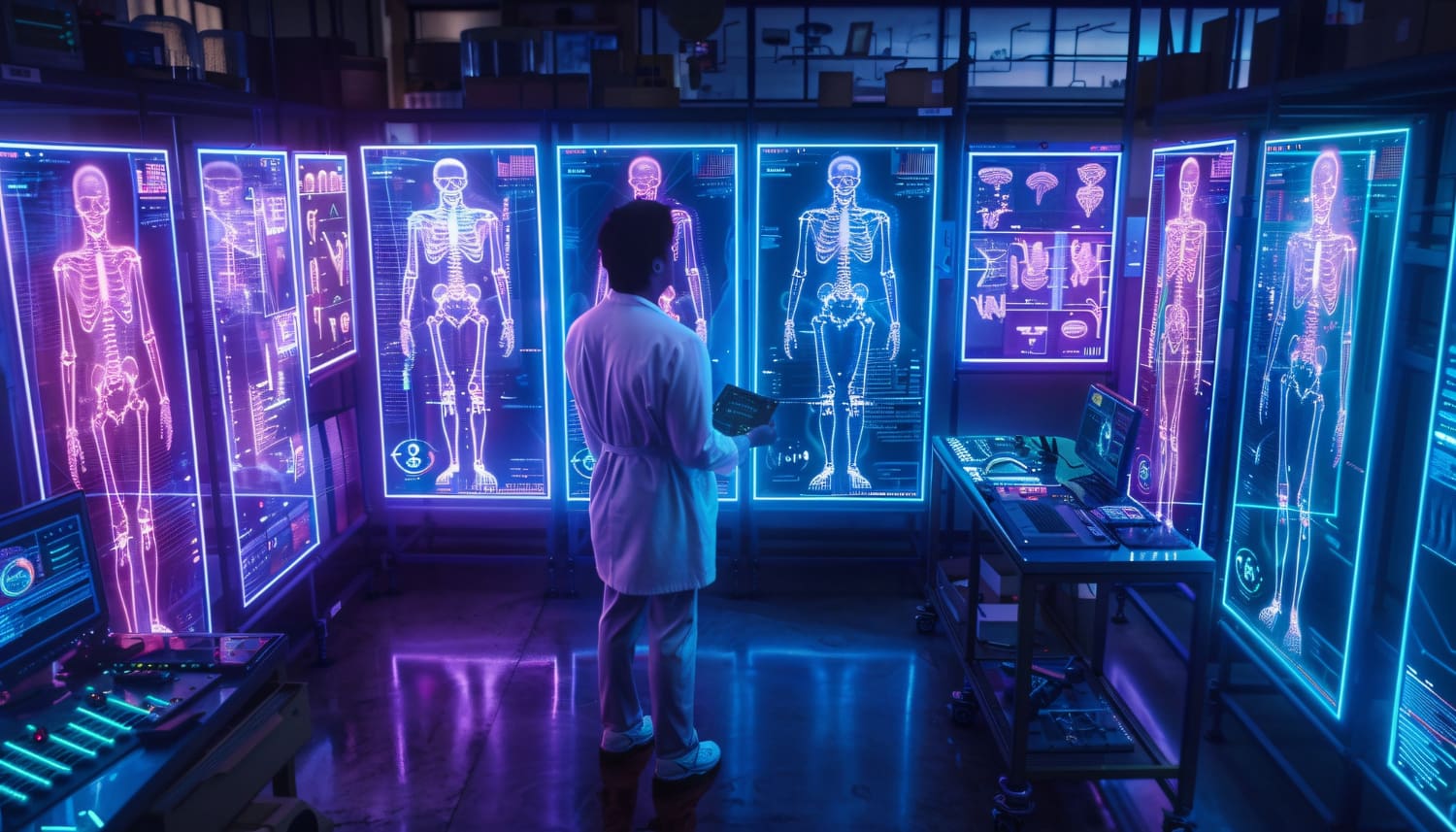
Artificial Intelligence (AI) is redefining healthcare by improving accuracy, efficiency, and accessibility of diagnostic tools. Traditionally, doctors relied on experience, manual tests, and limited data to make decisions. Now, AI-powered systems analyze vast amounts of information in seconds, providing precise insights that save lives.
AI-driven imaging is one major advancement. Tools can detect tumors, fractures, or anomalies in X-rays, MRIs, and CT scans faster and often more accurately than human radiologists. By flagging potential issues early, doctors can intervene before conditions worsen.
Another breakthrough lies in predictive analytics. AI models analyze patient histories, lab results, and genetic information to forecast risks like diabetes, heart disease, or cancer. Personalized treatment plans can then be developed, ensuring better outcomes for patients.
Chatbots and virtual health assistants are also transforming patient care. These tools answer questions, schedule appointments, and guide patients through treatments, reducing the burden on medical staff while improving accessibility.
Despite the benefits, challenges remain. Ethical concerns, data privacy, and the risk of over-reliance on technology must be addressed. Human oversight remains essential, ensuring AI complements rather than replaces medical expertise.
The integration of AI into healthcare is not just about technology—it’s about creating a future where care is more accurate, affordable, and accessible for everyone.
Leave a Reply