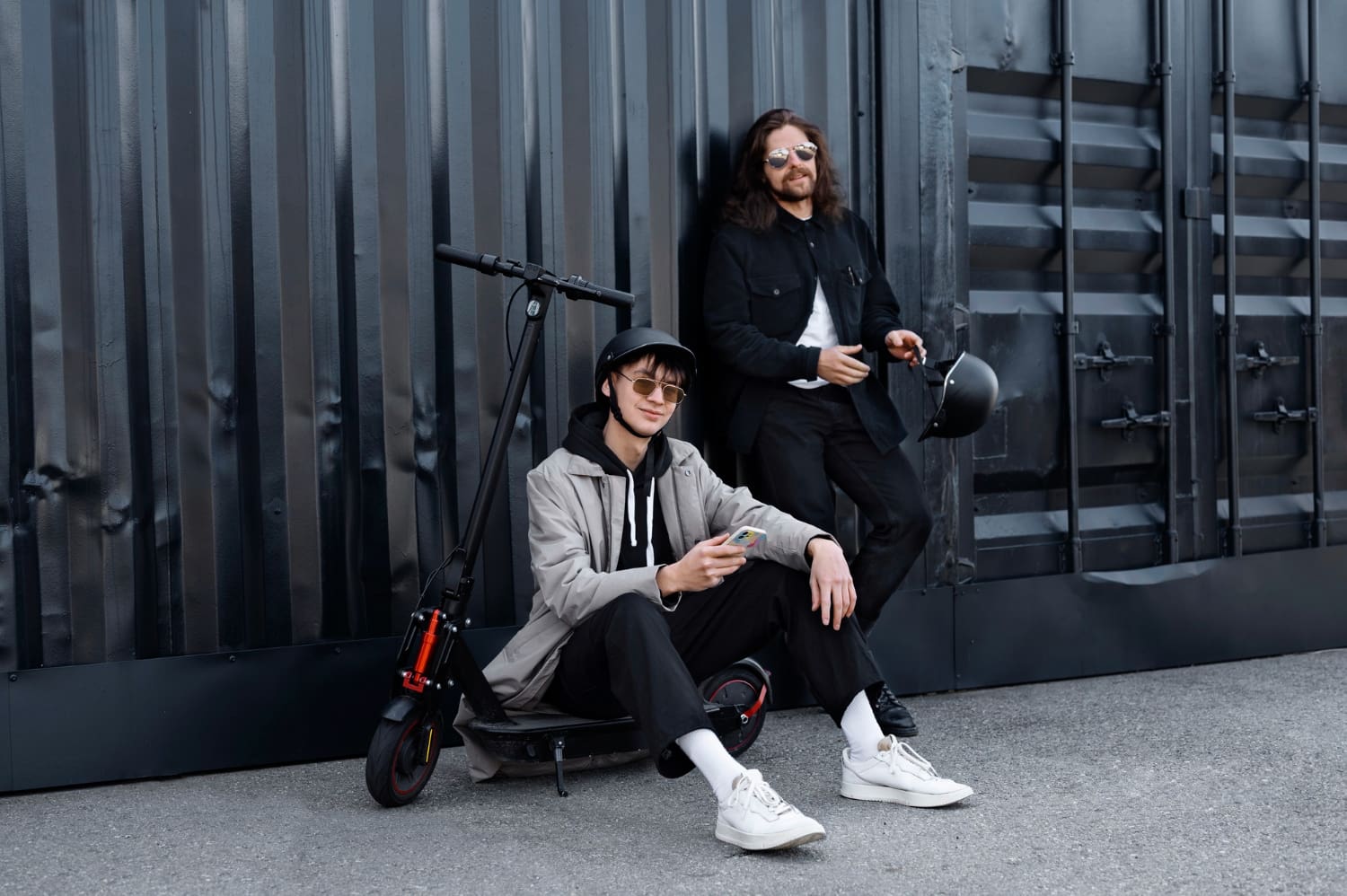
Once rooted in skateboarding, hip-hop, and youth subcultures, streetwear has grown into a global fashion powerhouse. Its journey from underground style to mainstream dominance reflects the way clothing connects identity, community, and self-expression.
Streetwear thrives on casual comfort. Oversized hoodies, graphic tees, and sneakers are staples that blend practicality with bold design. Logos and visual storytelling often play central roles, turning clothing into cultural statements. Collaborations between artists, athletes, and designers amplify its appeal.
The rise of streetwear also highlights exclusivity. Limited-edition drops create demand, fueling hype culture and secondary markets where items resell at high prices. This scarcity-driven model reflects how fashion can embody not only style but also status.
Cultural fusion has also shaped streetwear’s evolution. Japanese street fashion influenced bold silhouettes and layered styles, while American hip-hop culture brought emphasis on sneakers and branded caps. Today, luxury labels like Louis Vuitton and Balenciaga integrate streetwear into high fashion, proving its staying power.
Beyond fashion, streetwear reflects social commentary. Designs often feature political slogans, artistic graphics, or cultural icons, allowing wearers to express values and identity. Social media amplifies this, turning everyday outfits into viral trends.
As streetwear matures, sustainability and inclusivity are becoming priorities. Brands experiment with recycled fabrics and gender-neutral designs, making streetwear accessible while reducing its environmental footprint.
From niche subculture to cultural phenomenon, streetwear embodies how fashion evolves through community and creativity. Its lasting influence proves that what starts on the street can shape the runways of tomorrow.
Leave a Reply